A peaceful and cross-sector procession to demand the closure of the plant, the cleanup, and the re-employment of workers in remediation
A large popular mobilization crossed Taranto on Saturday, October 17. Citizens of all ages and social backgrounds peacefully demonstrated to demand the closure of the steel plant, the cleanup of the territory, and the re-employment of workers in environmental remediation activities.
On Saturday, October 17, 2026, Taranto experienced a day of intense civic participation with the demonstration “Taranto comes back to life,” which brought thousands of citizens into the streets of the city.
In the days leading up to it, numerous calls for participation circulated on social networks, shared by associations, citizens, and cultural figures, including Taranto-born actor and director Michele Riondino.
The procession, starting from Piazzale Democrate, crossed the Città Vecchia (the Old Town) and the Ponte Girevole (the Swing Bridge), reaching Piazza Maria Immacolata.
An official unified estimate of participants is not yet available, but local reports speak of thousands of people.
One of the most significant aspects of the day was the heterogeneous nature of the participation.
Families with children in strollers, young people, students, workers, and elderly people walked side by side. People from different generations and social backgrounds, united by a common demand.
A peaceful demonstration, characterized by cohesion, respect, and determination, without clashes, which projected the image of a community yearning for serenity and change.
Such broad and cross-sector popular participation, which for many recalled the great city mobilizations of the past, had not been seen for some time.
The demonstration took place during a period marked by numerous mobilizations in various Italian cities, some linked to the high cost of living and the economic difficulties of families.
The Taranto procession, however, had a specific purpose, closely tied to the environmental and employment issue of the former Ilva.
The will expressed by the organizers was to achieve the closure of the steel plant, initiate a process of cleaning up the industrial area and the contaminated territory, and guarantee the re-employment of workers in the same environmental remediation activities.
A proposal that aims to overcome the conflict between health and employment, preventing environmental protection from being perceived as a threat to the economic future of families.
The reconversion of the territory, according to this vision, should represent an opportunity to create new jobs, enhance workers' skills, and build an alternative economic model.
Among the prospects indicated are also investments in research, training, tourism, the blue economy, and renewable energy.
Among the most significant symbols of the day were the white crosses and photographs of the missing, carried in the procession to remember the victims of the diseases that families link to industrial pollution.
Images that brought back to the center of the debate the human dimension of a story too often told only through economic data, industrial decisions, and judicial measures.
Behind the former Ilva issue are family stories, workers, sick people, and entire generations who grew up living with the environmental and social consequences of heavy industry.
Taranto-born singer-songwriter Diodato, long associated with civic initiatives dedicated to the city's future, also took part in the demonstration.
The day also highlighted the different positions on the future of the former Ilva.
Mayor Piero Bitetti did not participate in the procession, supporting an institutional path oriented towards decarbonization and job protection.
The organizers, on the other hand, reiterated the need for a closure of the plant accompanied by a concrete plan for cleanup and guarantees for workers.
During the demonstration, there were some verbal protests directed at representatives of the Movimento 5 Stelle (Five Star Movement), without these episodes altering the overall peaceful character of the day.
The debate remains complex, especially for a city where the steel industry has represented one of the main sources of employment for decades.
On October 17, a large part of the city took to the streets to demand concrete change: the environmental, health, and economic future of the territory remains a deeply felt issue.
Not all of Taranto thinks the same way, and ideas about solutions differ. But the will shown on Saturday deserves attention.
Taranto has a millenary history, culture, art, and natural resources, overlooking two seas, with potential still largely untapped. The challenge now is to turn the mobilization into proposals, investments, and decisions, for a transition that leaves no one behind.
Because closing a factory must not mean giving up work, and defending work must not mean giving up health. The future of Taranto cannot remain a promise: it must become a concrete possibility, for those who live it today and for the generations to come.
Sources: ANSA, Corriere di Taranto, RaiNews TGR Puglia, Noi Notizie, Lo Jonio.
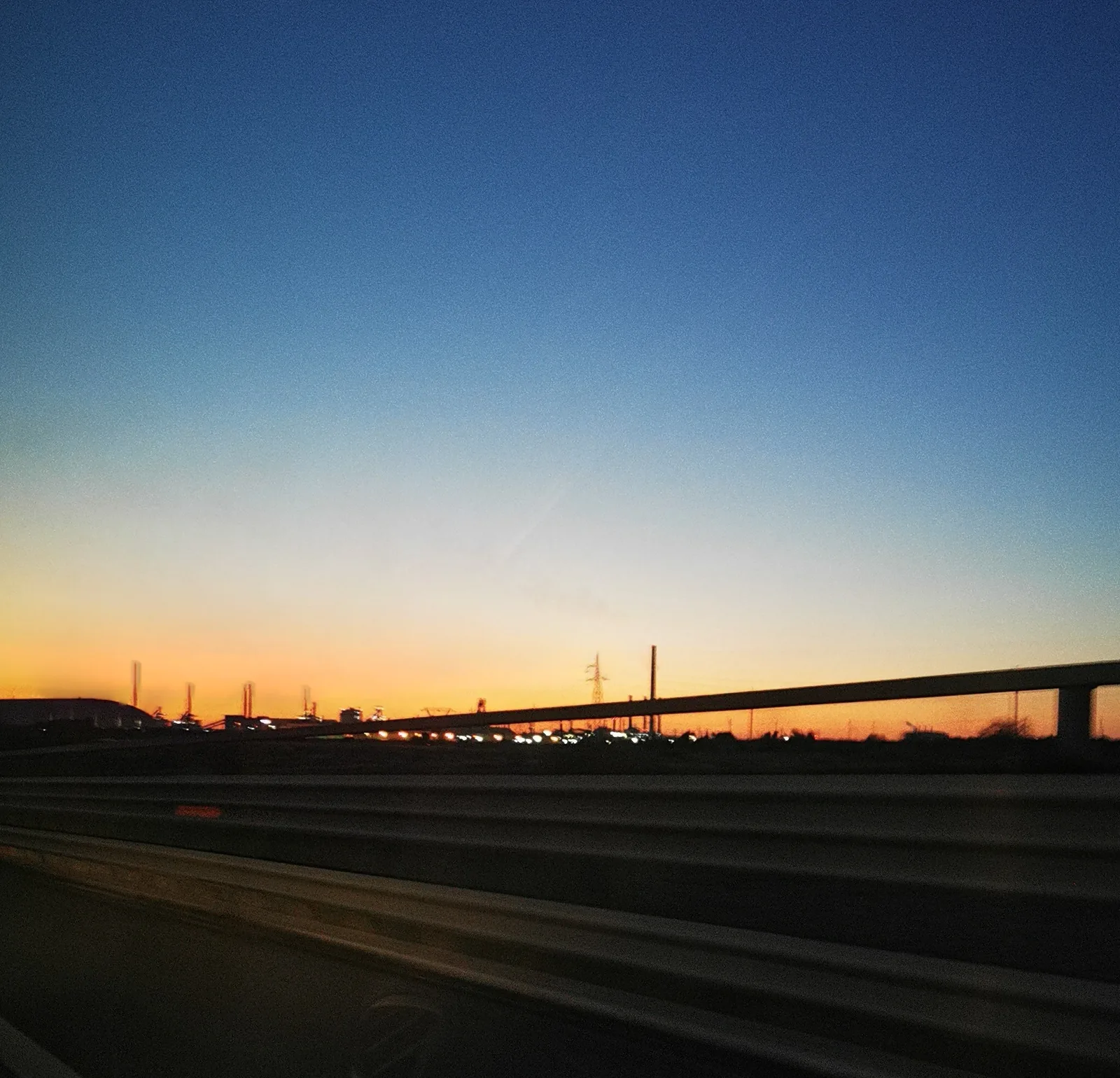
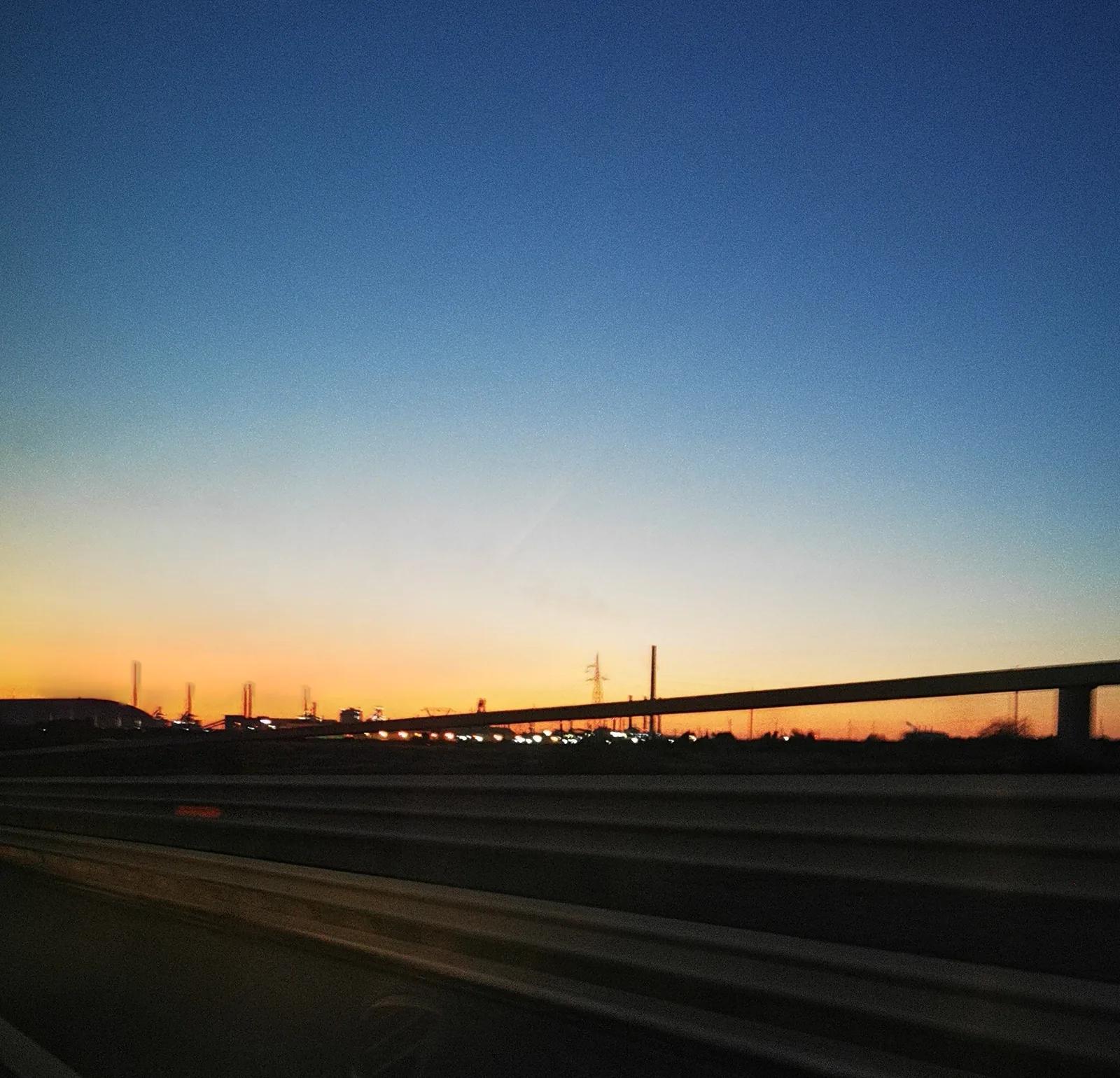
Photo: the plant at dusk seen from the road (stock image, not from the procession). Saggittarius A, ILVA Taranto crepuscolo (2024), CC BY 4.0, via Wikimedia Commons.