The Municipality can submit projects worth up to 42 million to restore docks, waterfront spaces, and the mussel supply chain
Taranto is a city with two seas, and for the first time in years there is money specifically set aside to put them in order. The Puglia Region has launched the procedure called Sea Hub and has made 42 million euros available to the Municipality. The City Council has given the green light to prepare the projects.
The funds come from the Just Transition Fund, the European program designed for territories that need to change their economic model. Taranto is one of the two Italian areas it is intended for, together with Sulcis in Sardinia.
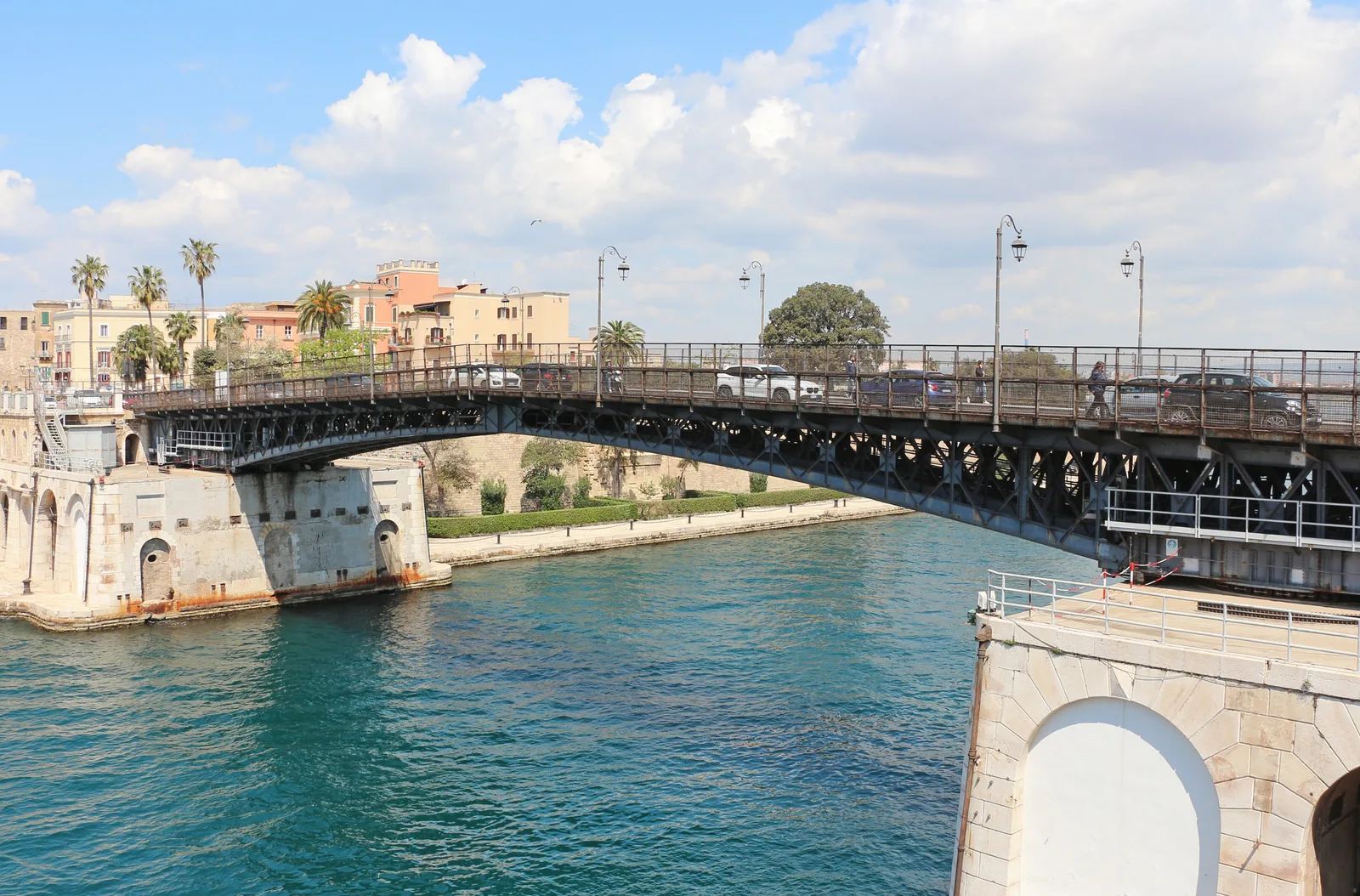
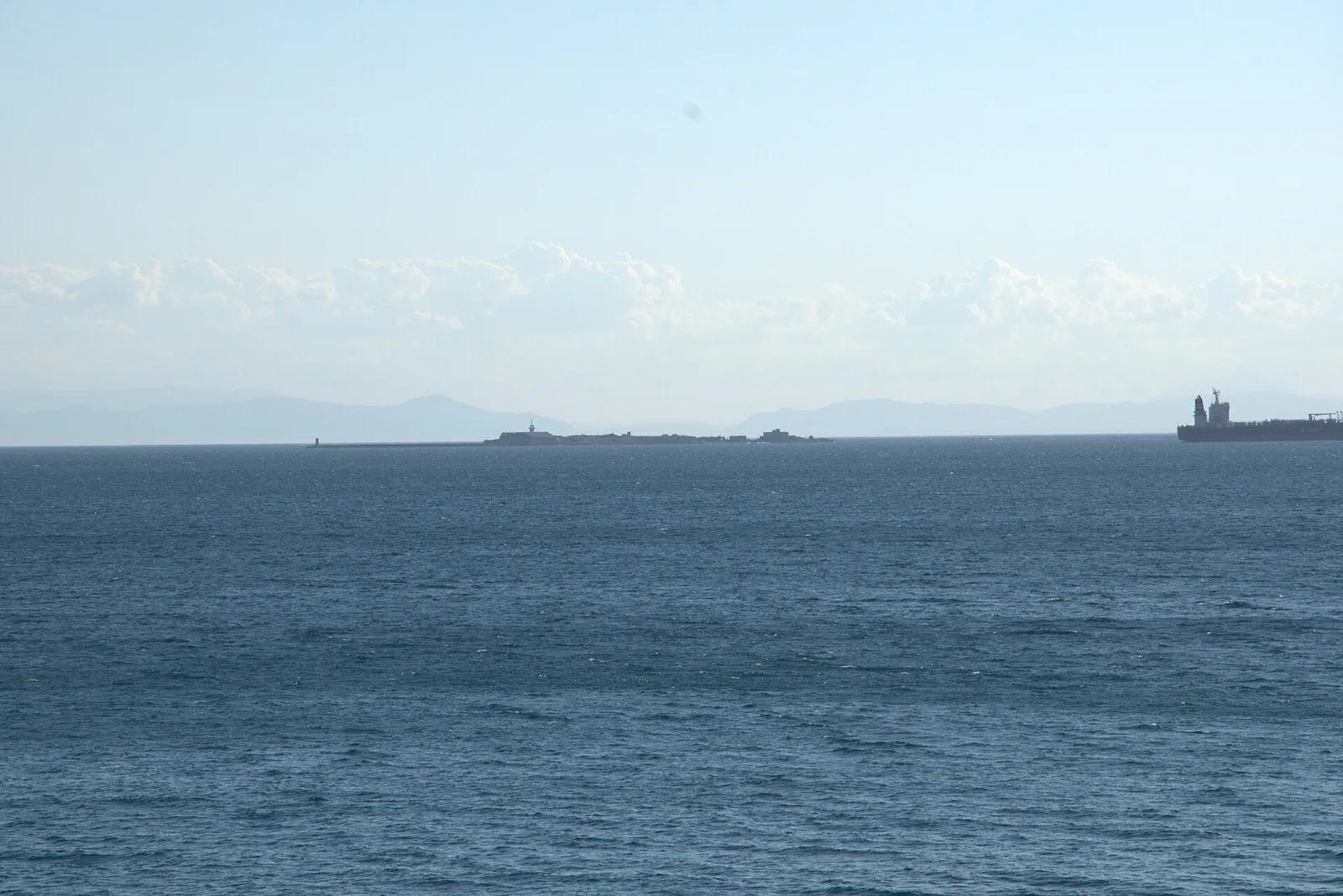
The procedure indicates a precise perimeter: the coastal systems of the Mar Grande (the "Big Sea") and the Mar Piccolo (the "Little Sea"). This includes the recovery and restoration of public infrastructure and buildings overlooking the water, interventions to renaturalize degraded stretches of shoreline, and everything needed to make those areas usable again.
There is also a thread that ties everything together: the work of the sea. The procedure explicitly mentions the mussel farming and mariculture supply chain, that is, those who raise mussels and fish in the two inlets of the Mar Piccolo. These are the oldest trades in the city, and for years they have coexisted with makeshift docks, sheet metal sheds, and equipment that has never been brought up to standard.
The goal written in the documents is to build "a coordinated system of works and spaces": not a single work with a ribbon to cut, but a series of interconnected interventions on both coasts that together change the way the city uses its sea.
The technical work is entrusted to the Municipality's Major Works Directorate, which will have to write the project proposals and prepare all the required documentation. Along with the Municipality, the Extraordinary Commissioner is also involved in the procedure.
For now, we are at the application stage: the 42 million are allocated, but the projects must be written, submitted, and approved. This is the phase where it is decided what goes in and what stays out, and therefore the one that matters most. The first drafts will show which stretches of coast and which buildings the Municipality has chosen to prioritize.
Anyone who wants to understand what sea we are talking about can start from our section dedicated to the nature of the territory, where the Mar Piccolo and its waters are described for what they are: a unique ecosystem in Europe, enclosed, shallow, and fed by underwater springs.
Photos: Manuela Balestra (CC BY 4.0) and Touring Club Italiano, 1934 (CC BY-SA 4.0), Wikimedia Commons.