Automatic extensions are no longer enough to stay on a stretch of coast. It starts again from a census: who occupies what, and which stretches are free
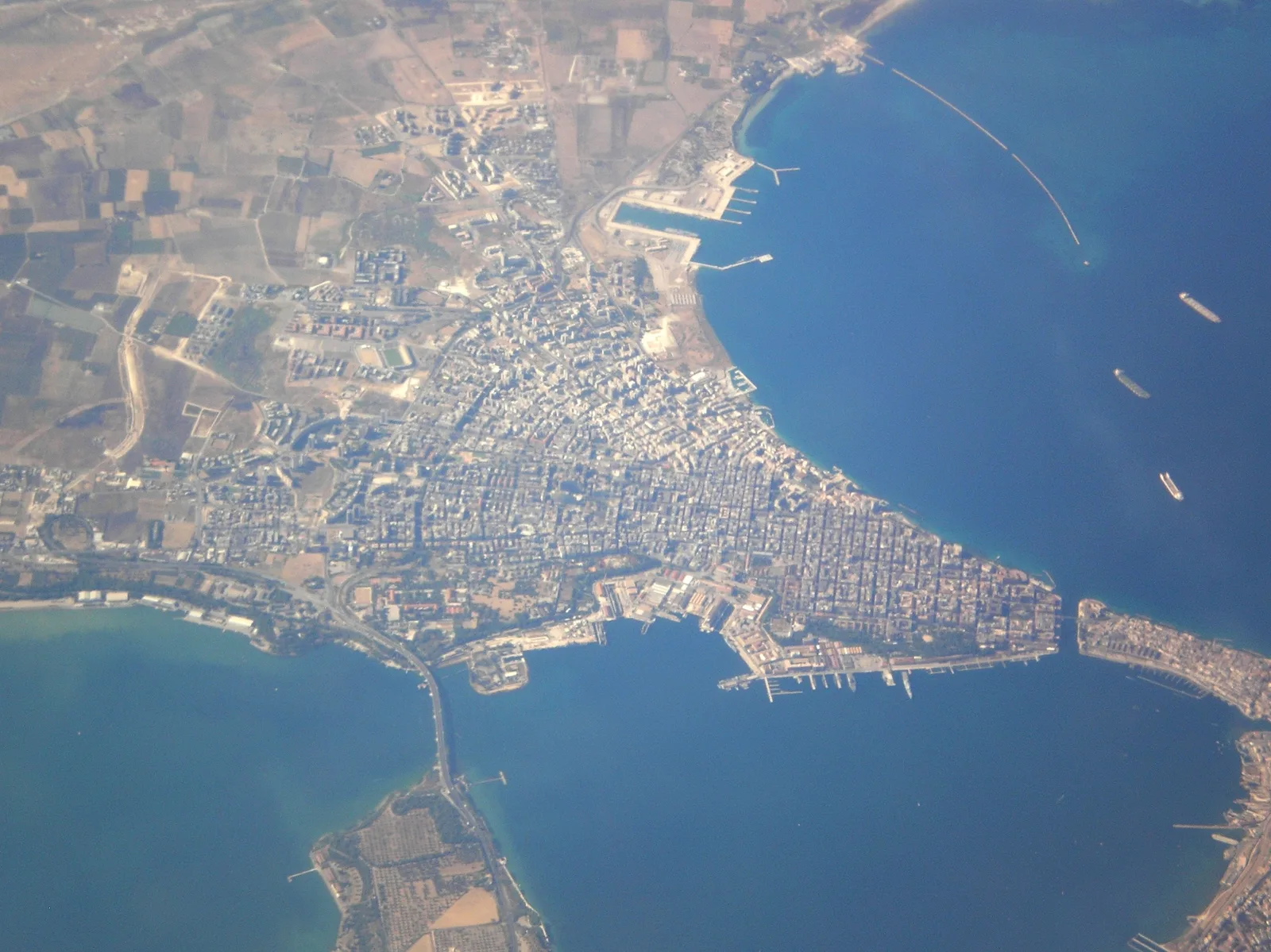
There is a strip of land, along the sea, that belongs to no one because it belongs to everyone. It is called the maritime state property and it is the coastal strip that remains with the State: you can work on it, you can set up a beach club or a boat shelter, but only with a temporary permit. Taranto, which has plenty of coastline between its two seas, has decided to reorganize who uses its pieces and under what conditions.
On September 15, the City Council approved the guidelines for the reorganization, and the key phrase is in the middle of the measure: relationships based on automatic extensions — the mechanism by which a concession renewed itself year after year, without anyone else being able to step forward — no longer constitute a valid title to remain on that area.
From now on, concessions will be awarded through public procedures, open to anyone who meets the requirements. This is the path that Europe has been indicating for years with the Services Directive, the one everyone in Italy calls Bolkestein, and which the State took up in the spring of this year by setting a tender scheme uniform for the whole country, so that the same rules that apply elsewhere also apply in Taranto.
This does not mean that the beach clubs will close tomorrow morning. The act explicitly provides for a transitional phase, both technical and temporary, which serves only to avoid leaving the coast in limbo while the procedures are initiated and concluded.
The most unusual part of this resolution is that it sets itself deadlines, and calls them binding. The countdown starts from when the act becomes effective:
The calendar can be extended, but only with a motivated act communicated to the City Council: it is not enough for time to simply pass.
There is a detail that risks going unnoticed and is perhaps the most important for those who manage nothing and just want to go for a swim. In the census of the first ninety days, not only the occupied areas are counted: the free ones are also counted, those left without a concessionaire, and those never assigned. For the first time, in short, it will be known precisely how much coast there is, who it is entrusted to, and how much remains.
Two hundred and forty days from mid-September lead straight to the spring of 2027, that is, on the threshold of the next season. Who will manage Taranto's beaches from that summer onwards is starting to be decided now, in an autumn when no one is looking at the sea.
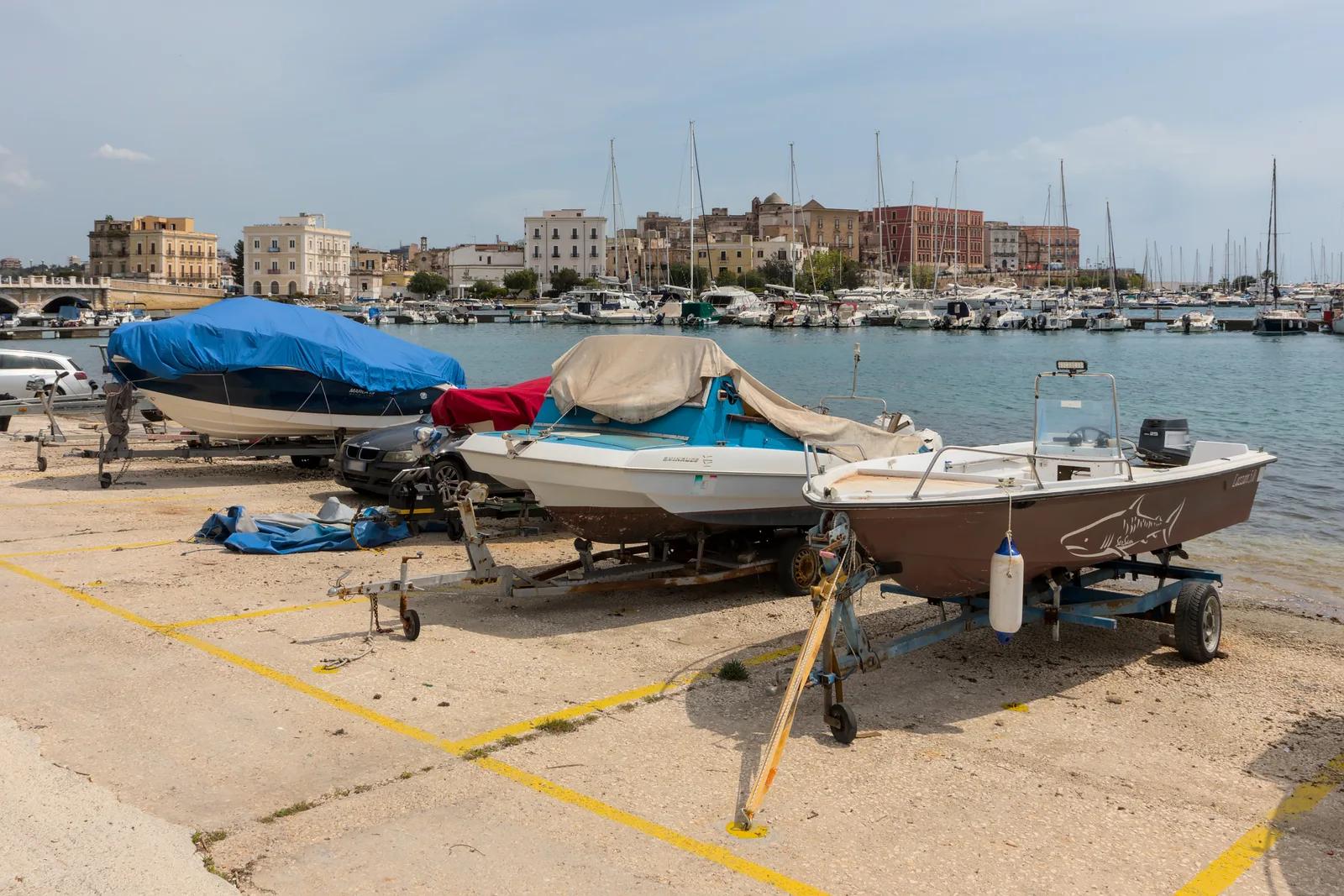
Photo: Taranto's seafront seen from the Porto Mercantile, with the old town in the background. Author: Benjamin Smith, license CC BY-SA 4.0, via Wikimedia Commons.