Murals removed from monuments, fountains and benches cleaned, walkways to reach the sea. And a shuttle for those with a disability permit
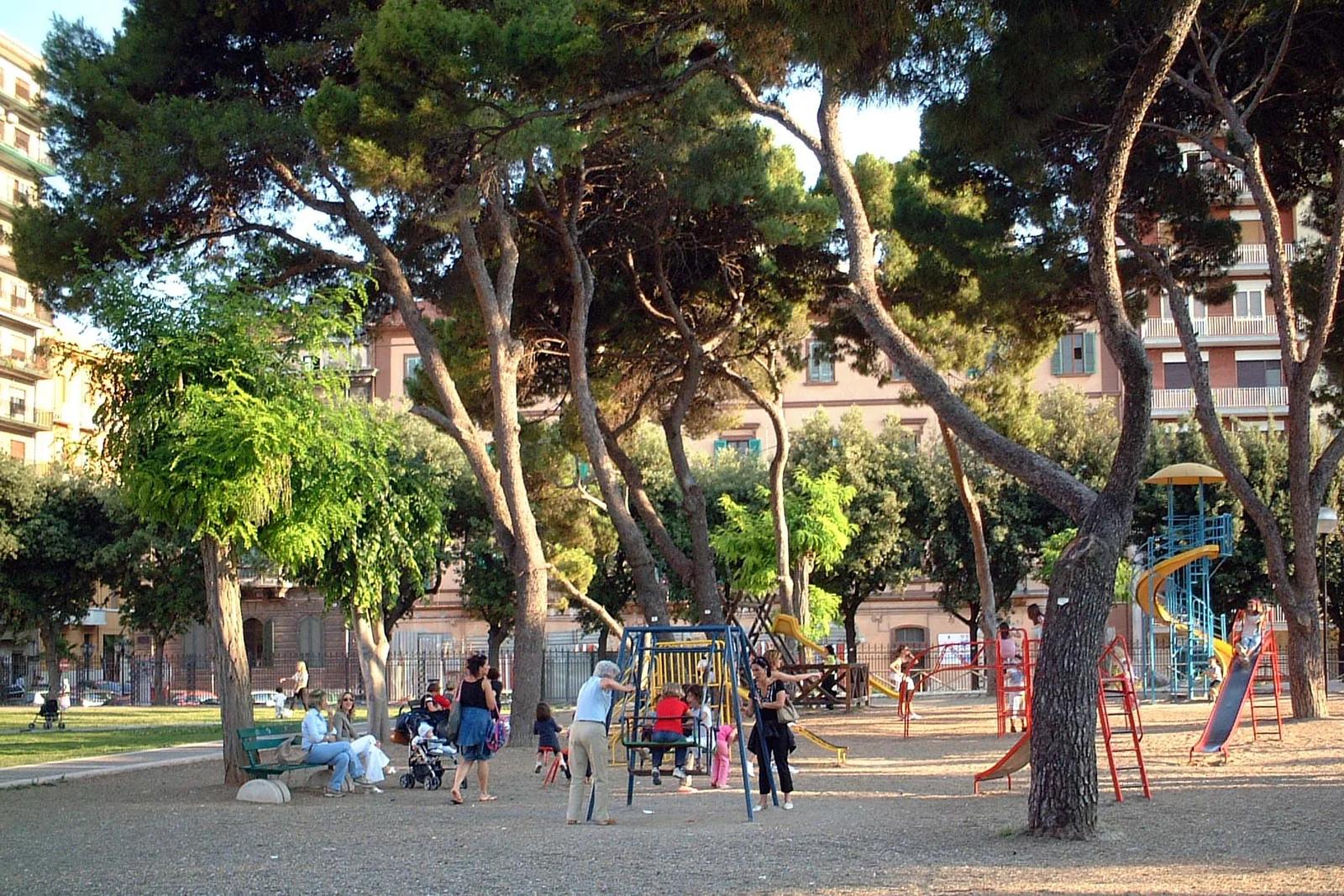
For five days, in the afternoon, four workers and a coordinator worked at Villa Peripato. From two to six, when the sun begins to loosen its grip and the park fills with strollers. Benches, bins, decorative elements that no one notices until they break: one by one.
It's a small detail and it says a lot about how the summer went. Taranto was waiting for the Mediterranean Games and spent the weeks beforehand tidying up, piece by piece, starting with the things you can touch with your hands.
The biggest item of extraordinary work is called, in official documents, "enhancement of urban decor," and it means one thing above all: removing murals, graffiti, and defacements from monuments, squares, and street furniture. Then the extraordinary cleaning of benches and monumental fountains, the removal of unauthorized gates and now-useless metal poles, and the installation of new flagpoles.
The list of places reads like a walk: Villa Peripato, Piazza Castello, Piazza Carbonelli, Piazza Garibaldi, Giardini Pandiani, the Doric Columns, Piazza Bettolo, Giardini Caduti sul Lavoro, Piazza della Vittoria, Giardini Belvedere, the Leogrande Promenade on the seafront, Giardini Virgilio. On Viale Virgilio, the railing was restored and repainted. Outside the Campo Scuola di Atletica, the parking lines were redrawn.
There are two things, among all the rest, that have nothing to do with the cameras and remain after the guests leave.
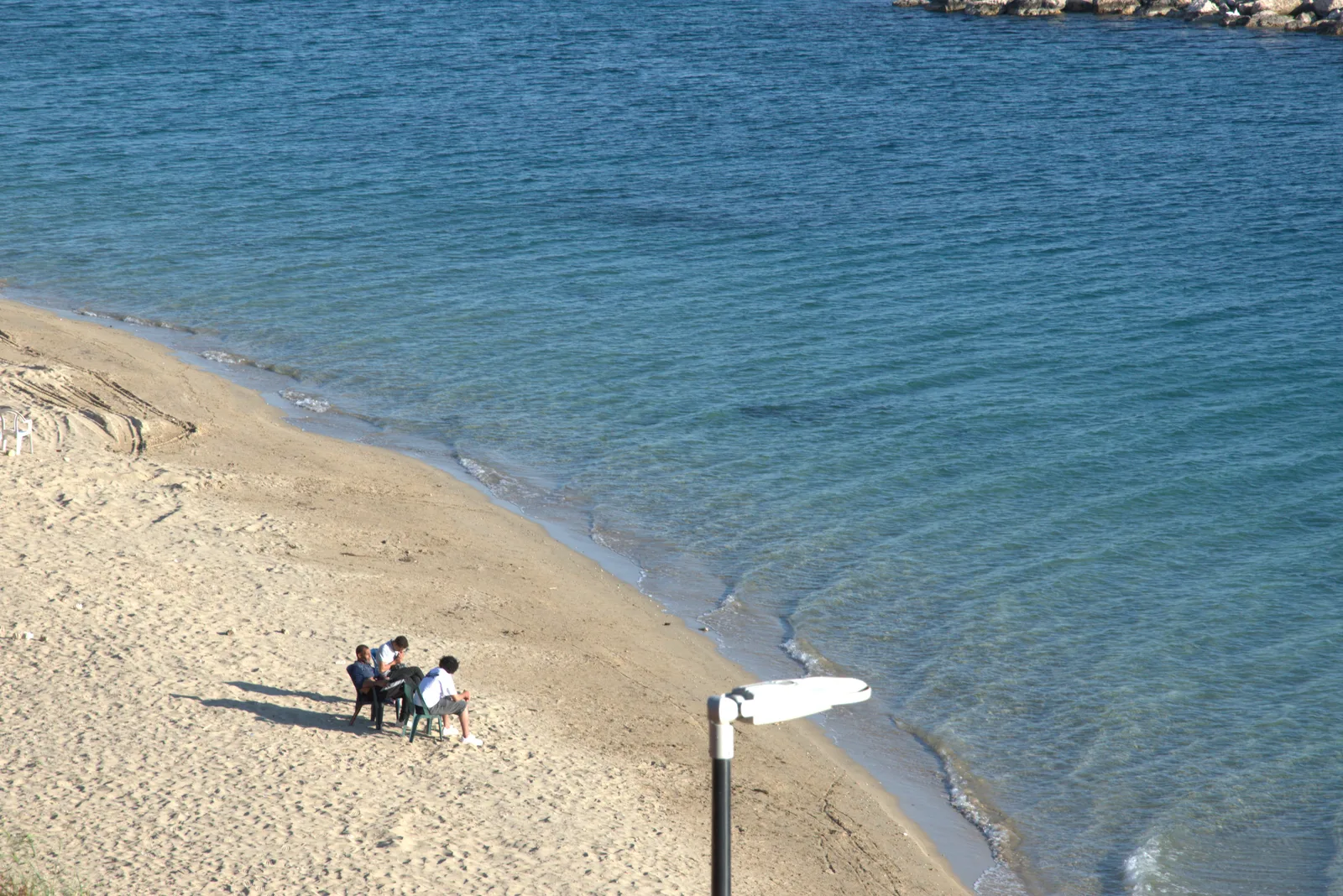
The first is the walkways purchased for Lido Bruno and Lido Torretta: those strips of wood or hard plastic that unroll on the sand and allow people in wheelchairs, on crutches, pushing a stroller, or simply not wanting to sink with every step to reach the water's edge. They cost little and change the summer for many people.
The second is a shuttle reserved for those with a disability permit, which on race days ran back and forth from the Iacovone stadium. No one had reported it: it remained inside a seven-thousand-euro invoice, paid in mid-September to a company from Taranto.
Then there is the signage for the tourist route of the Città Vecchia: the signs that tell you where you are and where you can go, on an island where first-time visitors get lost willingly but not always voluntarily. It is the only item paid for with money from the tourist tax — so, essentially, by those who come to sleep in the city.
And there is the camper area on Via Mascherpa, cleaned up and organized: the place where those who arrive with their home on their back stop, and which in summer is the first piece of Taranto that some visitors see.
All together, the Municipality spent just over nine hundred thousand euros with its own service company, between the portion of the ordinary contract for the summer months and these additional works.
The races ended on September 3. The athletes have gone home, the stands are being dismantled. The benches of Villa Peripato, however, remain there. And the walkways on the beaches will be unrolled again next summer, when no one from outside comes to see how we're doing.
Photo: the Giardini del Peripato in Taranto. Author: Haragayato, license CC BY-SA 2.5, via Wikimedia Commons.