All agencies have said yes: the City Council can proceed with the works that regularize the collection of rainwater
The fish market of Taranto is about to get compliant on something nobody sees but matters a lot: where the rainwater that washes the yards and roofs ends up.
The City Council has successfully closed the conference of services for the intervention to adapt to the rainwater management regulations. All the agencies called to weigh in have given their approval, with their own conditions. The work is worth about 77 thousand euros.
The first water that falls on a yard is not clean water: it carries away everything that has settled on the floor. In a facility where fish is handled and sold, that first rain must be collected, treated, and discharged according to strict rules. This is the so-called first-flush rainwater management, and it applies to all facilities of this kind.
Adapting means building tanks and channels that separate the first water from the rest and send it where it needs to go, instead of letting it drain as it happens.
It is the table where all the agencies that must authorize a project express themselves together, at the same time, instead of responding one after the other. It is precisely to prevent a procedure from stalling for years waiting for the last opinion. Here it was opened in April and closed in early July.
Pay attention to one step, because it makes a difference in terms of timing: the conclusion of the conference is not yet the approval of the project and does not commit a single euro. It is the step that gathers all the yeses and allows proceeding. The actual approval and the awarding of the works will come with subsequent acts.
With the opinions in hand, the City Council can approve the project and award the works. These are the two phases that determine the real timeline: until that moment, the intervention exists on paper; after that, it becomes a construction site with a start date and an end date. Since the amount is modest, the awarding procedure will be quick.
In the meantime, the market remains open and operates normally: the adaptation concerns the external drains, not the sales activity.
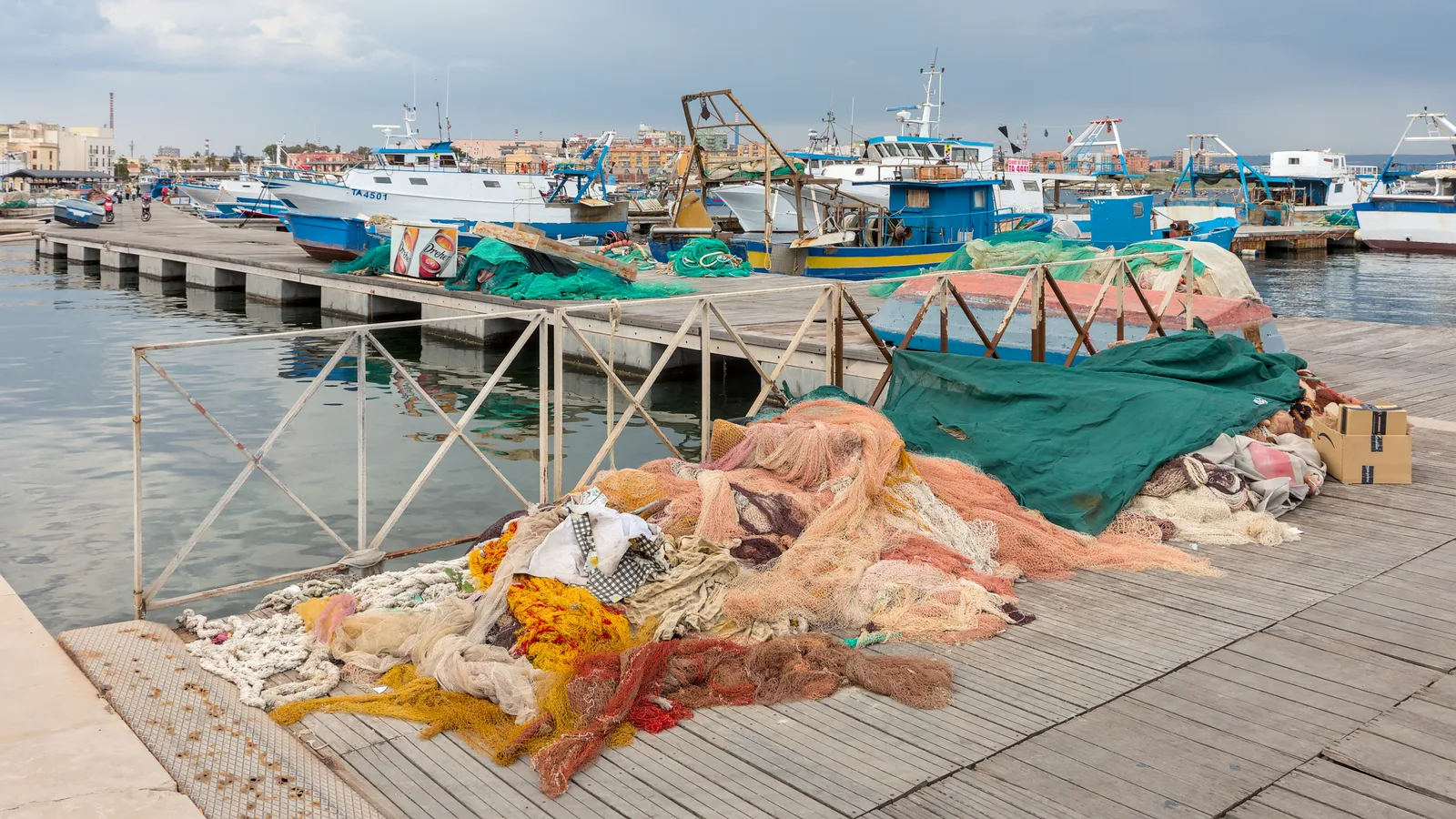
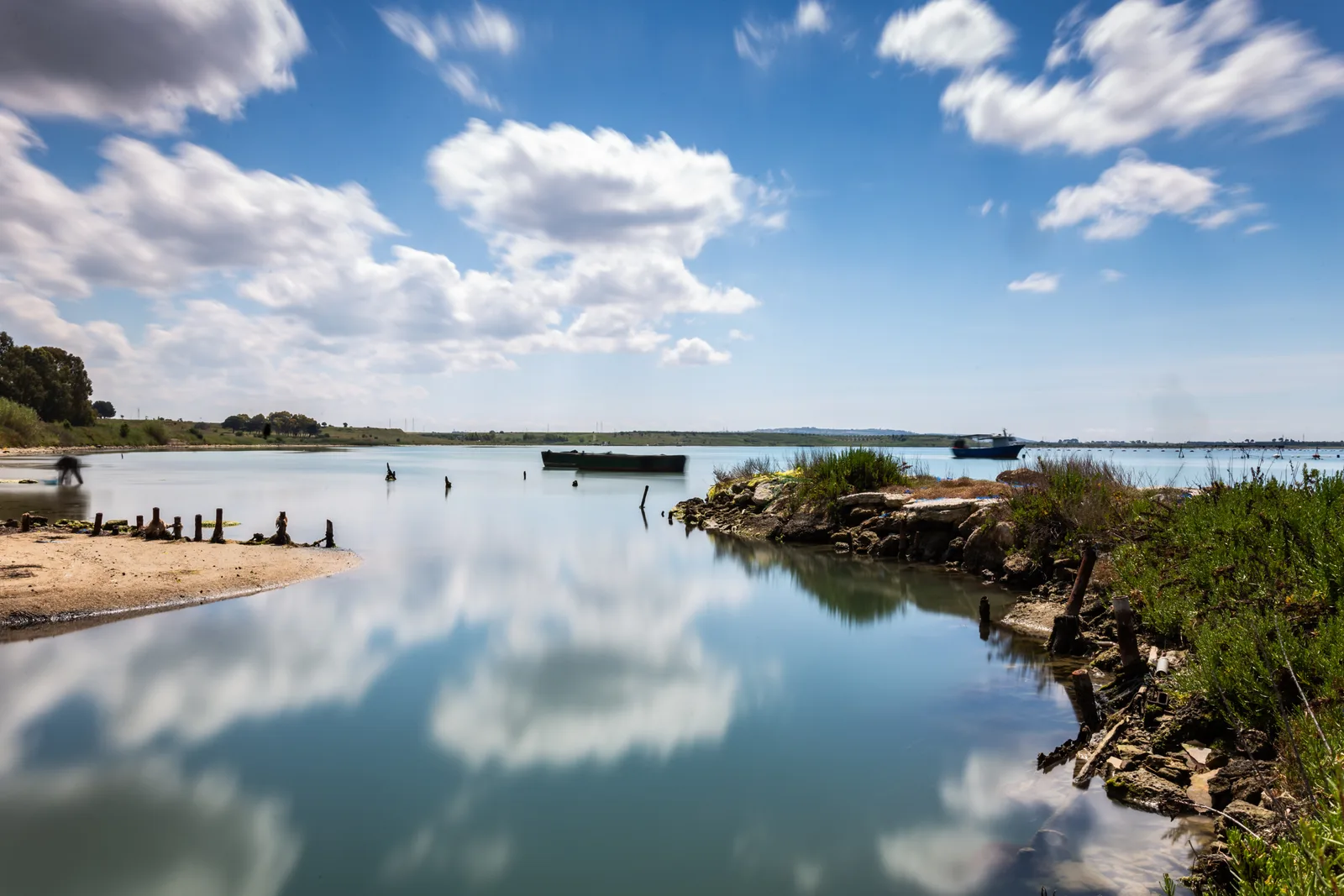
The fish market is in the Old Town, a stone's throw from the Mar Piccolo (the "Little Sea") from which much of what is sold there comes. It is one of the places where the city recognizes itself: you go there early in the morning, you look at the crate before buying, you ask where the fish comes from. Bringing it into compliance with the drains is ordinary maintenance of an extraordinary place.
Photo: PhotoItaly (CC BY-SA 4.0), Wikimedia Commons.