The City commissions the PUMS update. Eight years ago, it envisioned BRT, bike lanes, water routes, and a station linked to the Città Vecchia
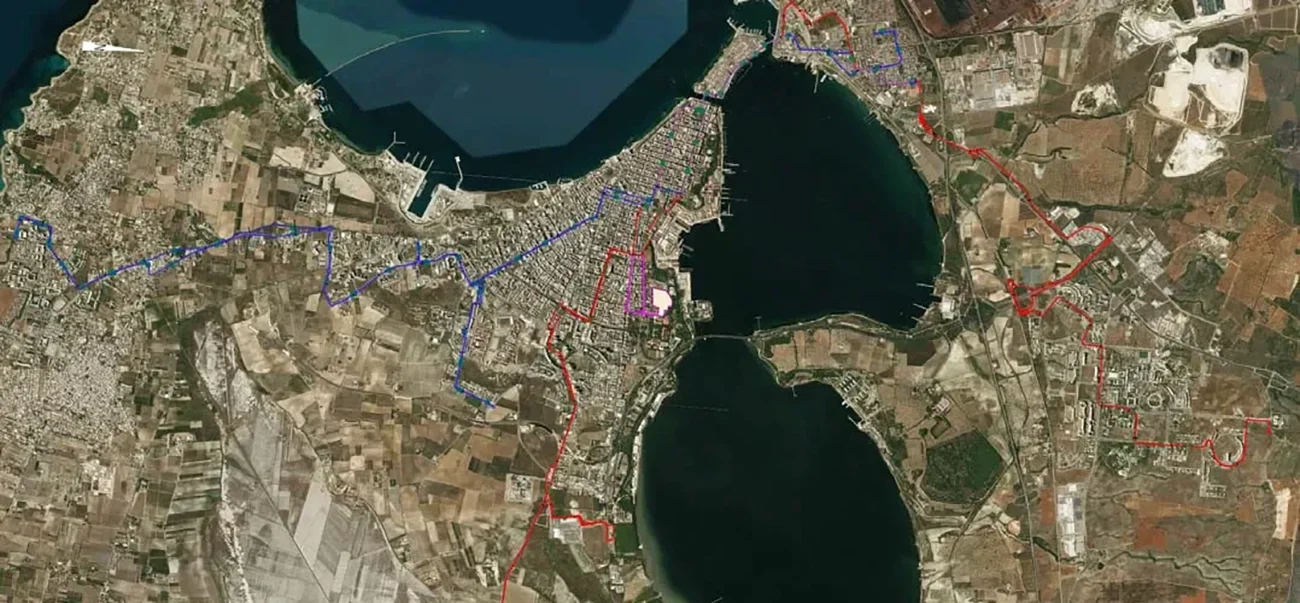
Eight years ago, Taranto put on paper how it wanted to move. It's called the Sustainable Urban Mobility Plan, or PUMS for those in the know: the City Council adopted it in April 2018 and approved it in December of the same year. Inside were plans for bus rapid transit, bike lanes, water shuttles on the sea, and streets to give back to pedestrians.
Now that plan is being rewritten. The City has commissioned engineer Nicola Murino to review and update it: the new version must be ready by September 30, 2027.
Europe requires it. The new rules on the European transport network, approved in 2024, consider major cities as nodes of the network and require each to have an updated mobility plan by the end of 2027. The Ministry of Transport is currently checking existing plans; where something is missing, cities will have to fill the gaps.
But there's also a simpler reason: the city has changed in eight years. Construction sites have appeared, the Mediterranean Games have come and gone, and travel patterns have shifted. The new work will have to look at how people move today and what has been built in the meantime.
Reading it today is striking. The plan started with pedestrians: accidents involving pedestrians had risen sharply, and 42% of trips to school were already made on foot. Hence the safe, barrier-free routes and the walking school buses to accompany children.
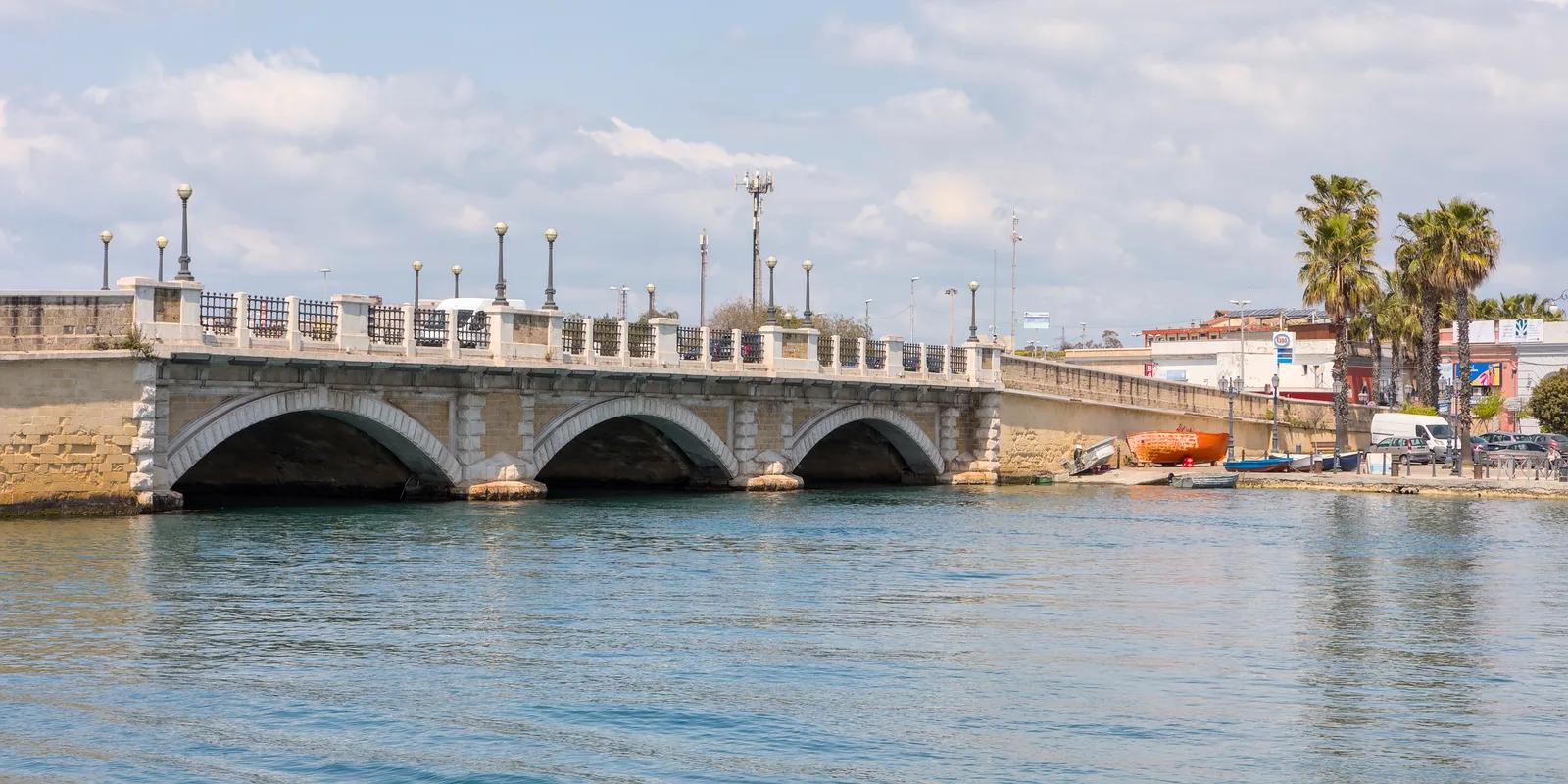
Then there was a different idea for the center: reconnecting the station to the Città Vecchia, as it was a century ago, via the Ponte di Pietra and viale Duca d'Aosta, with a pedestrian stretch between piazza Libertà and the avenue and a pedestrian overpass over the tracks, from the Croce terminal.
For bikes, a cycle corridor from the Croce terminal crossing the Città Vecchia along via Garibaldi, crossing the swing bridge, taking via D'Aquino and via Dante, and reaching viale Magna Grecia. At the time, bicycles accounted for just 1% of trips to school and work.
And then two BRT lines, the fast electric buses on dedicated lanes, which are now a real construction site: the overpass over the railway in the Croce area took shape in September. And a sea metro, scheduled water shuttles with stops from Mariscola to piazzale Democrate. That idea also returns in the new Mar Piccolo waterfront, which includes docks for water routes.
The new plan will determine what of that design remains valid, what is already reality, and what needs to be rethought from scratch. For those waiting for the bus, cycling, or taking their children to school, this is the document that will shape the city for the coming years.
Sources: the Taranto PUMS, general report published by the City. Photo: opening, the Ponte di Pietra, or Ponte di Porta Napoli: Benjamin Smith, Taranto - Ponte di Porta Napoli (2025), CC BY-SA 4.0. In the text, the tracks of the central station: Giov.c, Piazzale binari stazione Taranto (2023), public domain. Via Wikimedia Commons.