A session dedicated to a single topic. The request: first, equal rights across Italy, then new powers for the Regions
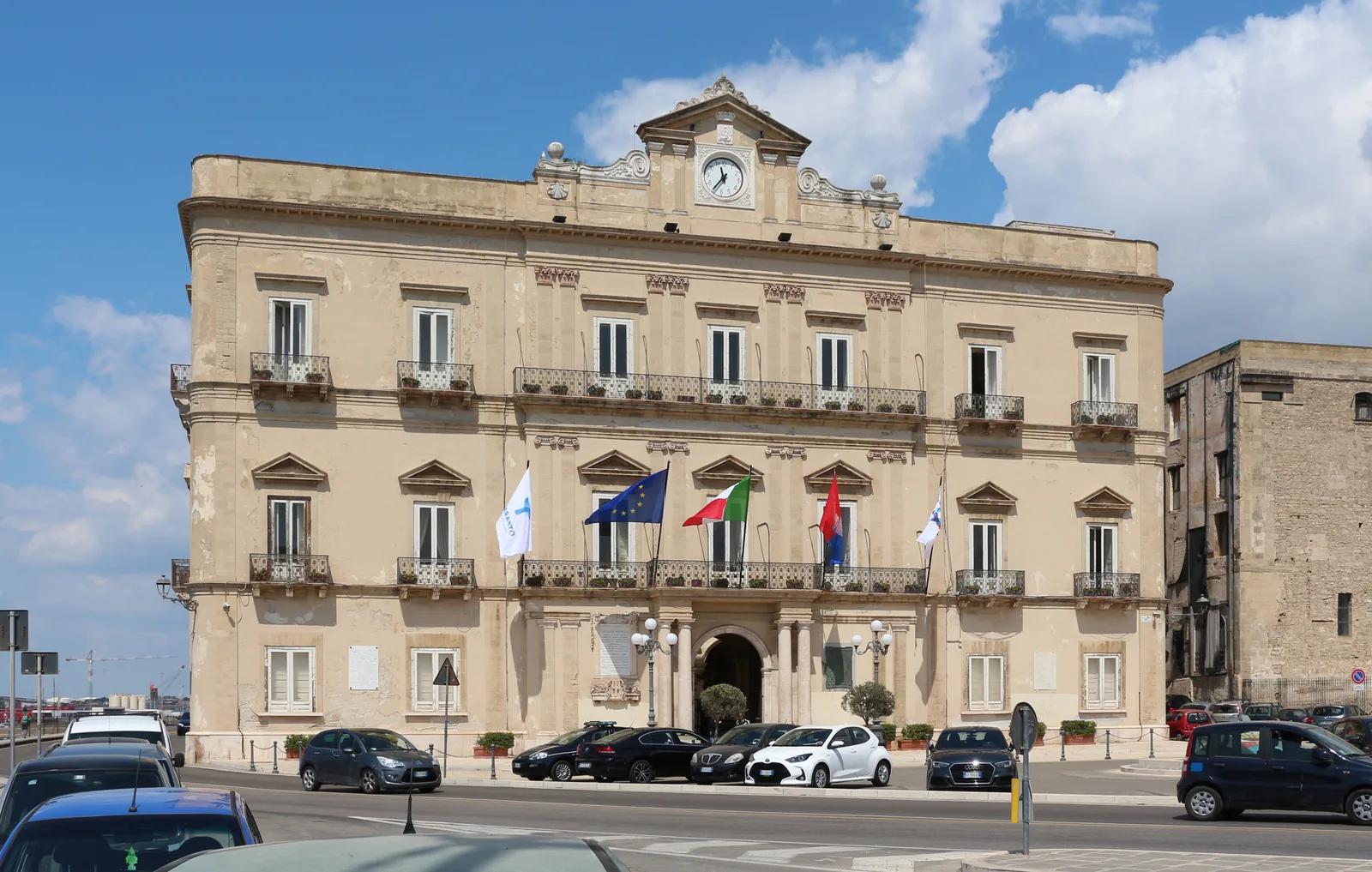
The City Hall stands in Piazza Castello, on the tip of the Città Vecchia, facing the Ponte Girevole. In its council chamber on Thursday October 8, the City Council met to discuss one thing: differentiated autonomy, i.e., the possibility for Regions to take on powers that currently belong to the State.
The session was requested by twenty councilors, with the first signatory being the Democratic Party group leader Alexia Serio. The motion passed with 16 votes in favor and 3 against. Now it is up to the mayor and the executive to take it to Rome and Bari.
The government has signed four preliminary agreements, the pre-intese, with Liguria, Lombardy, Piedmont, and Veneto. They concern civil protection, professions, supplementary pensions, and healthcare. This summer, the motion recalls, they were approved first by the Senate and then by the Chamber of Deputies. The next step is to turn them into laws.
The City Council asks to stop before that step. The reason lies in an acronym: LEP, the essential levels of services. These are the minimum services the State must guarantee to everyone, from Bolzano to Taranto: healthcare, education, assistance. In 2024, the Constitutional Court clarified that these must be defined and funded before giving new powers to the Regions, and that a Region can request individual functions, each justified one by one, not entire subject areas. According to the motion, the approved preliminary agreements do not take either of these requirements into account.
A municipality does not sign the agreements and does not vote on the laws. But it is the first counter citizens turn to: social services, schools, elderly care. And the mayor is also the local civil protection authority. If who does what between the State and the Regions changes, so does what a municipality can guarantee.
The approved text says it in one sentence: the place where one is born or lives should not determine access to health, education, social services, and work.
The municipality will also need to find allies: the motion commits the mayor to work, through ANCI, with other municipalities in Puglia and the South that have already expressed doubts about the agreements. The text will be sent to Palazzo Chigi, Parliament, the Puglia Region, and the MPs elected in Puglia.
This is not a decision that changes anything tomorrow morning. It is the city having its say, out loud, on a reform being decided elsewhere.
Photo: The City Hall in Piazza Castello. Bernard Gagnon, Palazzo di città, Taranto (2022), CC0, via Wikimedia Commons.
 Sei autobus elettrici per Taranto: il contratto è firmato, i mezzi sono in lavorazione18 settembre 2026
 La Biblioteca Acclavio diventa un rifugio: chi ha bisogno di aiuto trova chi sa indicarlo17 settembre 2026
 Una rotatoria per le ambulanze: il San Cataldo avrà un ingresso diretto al pronto soccorso16 settembre 2026